Retrovia Memories Font for Creative Projects
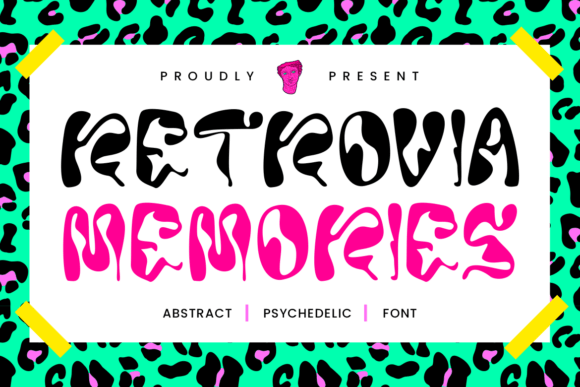
Working on a branding project for a new boutique that specializes in vintage-inspired home goods, I found myself reaching for Retrovia Memories. It’s one of those fonts that immediately grabs your attention with its fluid, melting aesthetic. The way the letters seem to ripple and flow gives it an almost hypnotic quality, perfect for evoking a sense of nostalgia without feeling outdated.
Retrovia Memories for Logo Design and Brand Identity
When I first tested Retrovia Memories on a logo draft, I was struck by how well it balanced retro flair with modern design sensibilities. The font’s abstract, psychedelic nature made it ideal for a brand that wanted to feel both playful and sophisticated. I used it as the primary typeface for the logo, pairing it with a clean sans serif for the tagline. This contrast helped keep the design from feeling too chaotic while still maintaining that nostalgic energy.
The font’s unique character also made it stand out on business cards and packaging. Even when used in small sizes, it retained enough detail to be recognizable, which is crucial for brand consistency. I noticed that clients often responded positively to the visual intrigue of the font, as it felt more personal and creative than something overly traditional.
How Retrovia Memories Works on Shop Signs and Packaging
One of the most rewarding parts of using Retrovia Memories was seeing it in action on physical materials. For a shop sign, the font added a sense of movement that drew people in. It wasn’t just about being eye-catching—it felt like the sign was alive, which aligned perfectly with the brand’s theme of rediscovering forgotten treasures.
On product labels, the font’s fluidity gave each item a distinct personality. Whether it was a candle or a handmade soap, the typography added a layer of storytelling that complemented the product itself. It wasn’t just about looking good—it was about creating an emotional connection with the customer.
Retrovia Memories for Social Media Graphics and Web Headers
For the website header, I used Retrovia Memories as a bold, attention-grabbing element. It worked especially well on hero sections where the goal was to make a strong first impression. The font’s dynamic shape made it feel more engaging than a standard display font, and it paired nicely with minimalistic background designs.
On social media posts, the font added a whimsical touch that stood out in a crowded feed. I used it for captions and call-to-action buttons, where its uniqueness helped reinforce the brand’s identity. It wasn’t overpowering, but it definitely had presence—just the right balance for digital content.
Testing Retrovia Memories Before Finalizing a Brand System
Before committing to Retrovia Memories for the full brand system, I did a few quick tests. I tried it on different backgrounds, in various sizes, and alongside other typefaces. One thing I learned was that it works best when used sparingly. While it’s visually striking, it can become overwhelming if overused.
I also checked the font’s multilingual support and file formats to ensure it would work across all platforms. It supported a wide range of characters, which was important for the brand’s international audience. The commercial licensing was straightforward, making it easy to integrate into client projects without any legal hurdles.
Retrovia Memories for Editorial Design and Print Materials
When designing a brochure for the boutique, I used Retrovia Memories for the headline text. It gave the piece a retro vibe that matched the brand’s aesthetic. I paired it with a serif font for body text, which created a nice contrast and improved readability without sacrificing style.
For flyers and posters, the font’s fluidity made it feel more dynamic. It worked well for event announcements and seasonal promotions, where the goal was to capture attention quickly. The font’s ability to convey emotion through form made it a great choice for editorial design, where visual storytelling is key.
Pairing Retrovia Memories with Other Typography Styles
One of the challenges of using a display font like Retrovia Memories is finding the right partner. I experimented with a few different options, including a modern sans serif and a classic script font. The sans serif provided a clean, professional counterbalance, while the script font added a more organic, handcrafted feel.
Ultimately, I found that pairing Retrovia Memories with a simple, neutral typeface allowed it to shine without competing. It was a matter of letting the font do what it does best—add visual interest and emotional depth—while keeping the rest of the design grounded and functional.
Retrovia Memories for Merchandise and Commercial Design Assets
For merchandise like t-shirts and tote bags, Retrovia Memories became a signature element. It was bold enough to stand out on fabric but subtle enough not to overwhelm the design. I used it for slogans and taglines, where its fluid form added a sense of movement and energy.
In commercial design assets, such as templates for clients, the font served as a visual anchor. It helped create a cohesive look across different materials, from email newsletters to invoice templates. Its versatility made it a valuable addition to the brand’s design toolkit.