Retro Minimalist Font for Creative Projects
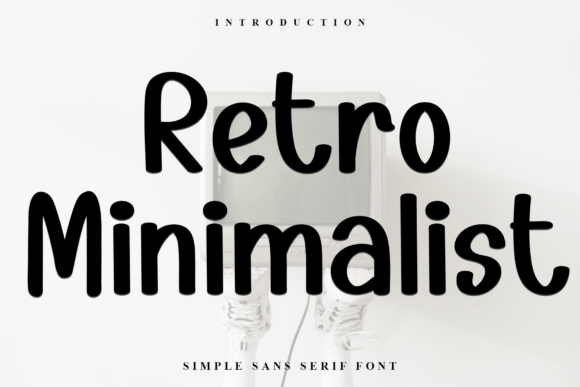
Working on a branding project for a small, independent café recently, I found myself drawn to Retro Minimalist. It wasn’t just the soft, unique touch of its strokes that caught my eye—it was how it felt like a breath of fresh air in a sea of generic typefaces. As a display font, it brings a refined yet approachable energy that works well across multiple design applications.
Retro Minimalist for Logo Design and Brand Identity
When I first tested Retro Minimalist on a logo draft, I was struck by how it balanced retro charm with modern minimalism. The font’s distinctive strokes gave it a character that felt both nostalgic and contemporary, which was perfect for a café aiming to blend old-world warmth with a clean, modern aesthetic. Using it as a logo font added a sense of personality without overwhelming the design.
For brand identity work, Retro Minimalist excels when used in short-form text—like taglines or headings. Its readability at larger sizes made it ideal for signage, business cards, and even social media graphics. The font’s versatility allowed me to maintain a cohesive look across different materials while keeping the design from feeling too rigid.
Retro Minimalist for Packaging and Product Labels
One of the most rewarding aspects of working with Retro Minimalist was seeing how it translated to packaging. Whether it was a simple label on a coffee bag or a custom sticker for a seasonal product, the font retained its elegance and clarity. Its softness gave the packaging a more inviting feel, making it stand out on a shelf without being too bold.
I paired it with a subtle serif font for body text to create contrast and balance. This combination helped guide the viewer’s eye through the design while maintaining a professional, polished look. For a handmade shop or artisanal product line, this kind of pairing can elevate the overall visual appeal of the packaging.
Retro Minimalist for Social Media Graphics and Web Headers
In digital design, Retro Minimalist proved to be a strong choice for web headers and social media graphics. On a homepage hero section, it added a dynamic, eye-catching element that complemented the site’s overall tone. Its softness prevented it from feeling too aggressive, which is crucial when designing for online audiences who are often overwhelmed by visual noise.
On Instagram posts, the font worked well as a headline or caption highlight. It brought a sense of creativity and authenticity to the content, which resonated with the target audience. When used sparingly, it didn’t distract from the main message but instead enhanced the visual storytelling.
Retro Minimalist for Editorial Design and Print Materials
For editorial design projects, such as a magazine spread or a brochure, Retro Minimalist offered a refreshing alternative to more common display fonts. Its clean lines and gentle curves made it suitable for headings and subheadings, while its legibility ensured that the content remained accessible and easy to read.
When used in print materials like flyers or posters, the font maintained its integrity without losing detail. It worked particularly well in combination with a sans-serif font for body copy, creating a harmonious balance between the two styles. This pairing is great for creative studios or local businesses looking to make a statement without sacrificing readability.
Retro Minimalist for Brand Consistency and Audience Engagement
One of the key strengths of Retro Minimalist is its ability to contribute to brand consistency. When used across different touchpoints—whether it’s a website, packaging, or printed collateral—it helps reinforce the brand’s identity in a subtle but meaningful way. This consistency is crucial for building recognition and trust with the audience.
The font’s softness also plays a role in audience engagement. It creates a sense of approachability, which is especially important for small businesses or creative ventures looking to connect with their customers on a personal level. A well-chosen font can influence how a brand is perceived, and Retro Minimalist does that effortlessly.
Retro Minimalist for Display Fonts and Creative Projects
As a display font, Retro Minimalist shines in situations where visual impact is key. It’s not meant for long blocks of text, but when used as a headline or accent, it adds a layer of sophistication that other fonts might lack. Its unique character makes it a standout choice for any project that requires a bit of flair without going overboard.
Whether it’s for a boutique, a skincare brand, or a local restaurant, Retro Minimalist offers a versatile solution that can adapt to different industries and aesthetics. Its soft, unique touch ensures that it remains relevant across various design contexts, making it a valuable addition to any designer’s toolkit.