Dusty Flower Font Review
Choosing the right font for a blog header can feel like selecting the perfect accessory to complete an outfit. It needs to catch the eye, reflect the tone of the content, and feel just right in context. When I was redesigning a seasonal lifestyle blog, Dusty Flower stood out as a natural fit—its whimsical charm and festive energy aligned perfectly with the editorial mood of the site.
Dusty Flower for Seasonal Blog Headers and Editorial Covers
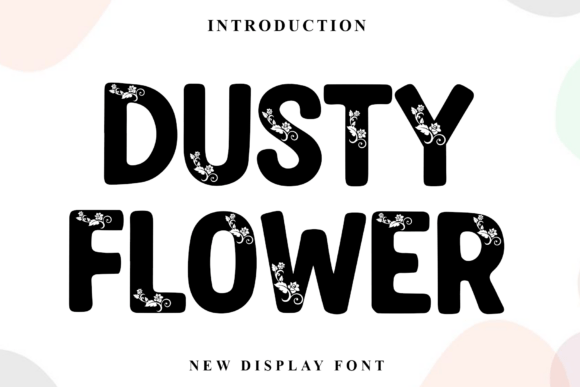
Dusty Flower is a display font that thrives in visual storytelling. Its decorative elements and playful curves bring a sense of celebration to any design. For a blog header, it adds a touch of elegance without overwhelming the reader. The font’s rhythm is balanced, making it suitable for short phrases or titles that need to command attention while maintaining readability.
Using Dusty Flower on a holiday-themed magazine cover or a seasonal article title creates an immediate connection with the audience. The font’s personality is warm and inviting, ideal for content that aims to evoke joy and nostalgia. Whether it's a recipe ebook for the holidays or a wedding guide, Dusty Flower enhances the visual appeal without sacrificing clarity.
Dusty Flower in Recipe Ebooks and Printable Guides
When designing a printable recipe ebook, the choice of typography plays a crucial role in both aesthetics and usability. Dusty Flower works well as a title font, adding a festive flair to the front page or chapter headings. However, it’s important to pair it with a more readable font for body text to ensure the content remains accessible across different formats, including print and digital screens.
In a printable planner or worksheet layout, Dusty Flower can be used as a decorative accent or section heading. Its ornate details make it a great choice for headers that signal a change in content or theme. But for longer blocks of text, especially in small sizes, it may not be the best option. Instead, use it sparingly to highlight key sections or add visual interest to the design.
Dusty Flower for Wedding Guides and Branding Projects
Wedding guides often require a mix of elegance and personality, and Dusty Flower delivers both. Its whimsical style pairs well with soft color palettes and hand-drawn illustrations, making it a strong choice for branding materials such as invitations, signage, or social media graphics. The font’s character adds a sense of occasion without feeling overly formal.
For a wedding blog or online guide, Dusty Flower can be used in pull quotes or section headers to draw attention to key tips or highlights. Its decorative nature makes it ideal for creating a cohesive visual identity that feels both unique and professional. However, when used in conjunction with other design elements, it’s important to maintain balance so the font doesn’t overshadow the content itself.
Dusty Flower in Newsletter Graphics and Digital Magazines
Newsletters and digital magazines benefit from a strong visual hierarchy, and Dusty Flower can play a key role in that structure. As a display font, it works best in headlines, subheadings, or callout boxes that need to stand out. Its expressive style adds a personal touch, making it ideal for seasonal updates, promotional banners, or featured articles.
When incorporating Dusty Flower into a newsletter graphic, consider the platform where it will be viewed. On mobile devices, smaller text sizes may reduce legibility, so it’s wise to test the font at different scales. In PDF exports, the font should render clearly without distortion, ensuring that the final design maintains its intended look and feel.
Dusty Flower for Creative Workbooks and Course Materials
Coaching workbooks and course PDFs often require a clean yet engaging design. Dusty Flower can be used effectively in chapter openers or section titles to create a visually appealing layout. Its festive energy aligns well with themes related to self-care, personal growth, or seasonal activities.
However, for long-form content such as lesson plans or instructional guides, Dusty Flower may not be the best choice for body text. Instead, use it to break up sections, highlight key takeaways, or add a touch of personality to the design. Pairing it with a serif or sans serif font ensures that the overall layout remains easy to read and visually harmonious.