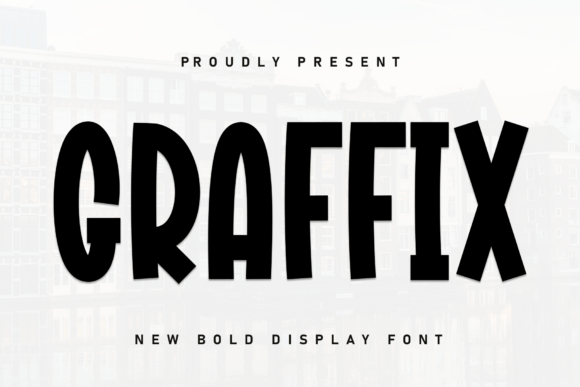
Graffix Font for Web Design
Testing Graffix in a hero section of a boutique online store, I was immediately drawn to its smooth strokes and organic lines. The font’s relaxed atmosphere made it feel like the perfect fit for a brand that values creativity and authenticity. As a web designer, I always look for fonts that not only catch the eye but also support the overall tone of a digital project.
Graffix for Creative Portfolio Websites
When working on a creative portfolio homepage, I chose Graffix for the main headline. Its charming character added a personal touch without overwhelming the design. The font’s readability on both desktop and mobile screens was impressive, especially when paired with a clean sans serif for body text. Using Graffix here helped reinforce the visual identity of the designer’s work while keeping the layout modern and approachable.
- Used for the main title on the homepage
- Complemented by a simple sans serif for subheadings
- Added warmth to the site’s overall aesthetic
Graffix for Online Store Banners and Product Pages
For an e-commerce site selling handmade goods, Graffix worked well as a banner title. Its organic flow matched the artisanal nature of the products, creating a sense of craftsmanship. On product pages, I used it sparingly for short labels and call-to-action buttons. The font’s personality shone through without making the content hard to scan, which is crucial for maintaining user engagement on shopping sites.
- Applied to banner headlines for product categories
- Used for CTA buttons with minimal text
- Enhanced the visual storytelling of the brand
Graffix for Coaching and Course Sales Pages
When designing a coaching website, I experimented with Graffix for the primary headline of a course sales page. The font’s heartfelt perfection aligned well with the brand’s mission of helping users achieve personal growth. It provided a soft contrast against the background, making the message stand out without being distracting. Pairing it with a neutral serif font for the body copy created a balanced and professional look.
Readability was key, especially on smaller screens where the font needed to remain legible even at smaller sizes. Graffix handled this well, proving itself as a versatile choice for both large and small text elements.
Graffix for Blog Headers and Digital Brand Kits
For a blog redesign, I used Graffix as the header font. Its smooth curves gave the site a more human and inviting feel, which was ideal for a lifestyle or wellness-focused blog. When building a digital brand kit, I included Graffix as a signature font for social media graphics and email templates. Its organic style made it feel more personal and less corporate, which resonated with the brand’s audience.
I also tested it over image overlays and found that it maintained clarity without blending into the background. This made it a great option for layered designs where typography needs to pop without competing with visuals.
Graffix for Campaign Landing Pages and Promotional Content
On a campaign landing page for a new product launch, Graffix served as the main headline. Its relaxed atmosphere helped set a positive tone, encouraging visitors to explore further. I paired it with a bold sans serif for supporting text, which created a clear visual hierarchy and kept the design from feeling too busy.
One challenge I faced was ensuring that the font remained readable on dark backgrounds. After testing different color combinations, I found that a light gray version of Graffix worked best, offering enough contrast without appearing harsh.
Graffix for Logo Text and Decorative Accents
Using Graffix for logo text required careful consideration. While it’s not the most traditional choice for a logo, its unique character made it stand out in a way that felt fresh and modern. I used it alongside a simpler typeface for the brand name, allowing the font to act as a decorative accent rather than the primary text.
This approach helped maintain consistency across different touchpoints, from the website to social media profiles. Graffix’s versatility allowed it to be used in both prominent and subtle ways, depending on the context.
Graffix for Responsive Layouts and Mobile Screens
As a web designer, I always check how fonts perform on mobile devices. Graffix held up well on smaller screens, maintaining its charm without becoming too small or difficult to read. I adjusted the line height and spacing to ensure that the font remained comfortable for users browsing on their phones.
For fast-loading visual content, I made sure to use the font efficiently, avoiding excessive use in large blocks of text. This helped keep the site performance optimized while still leveraging the font’s unique personality.
Graffix for Font Pairing and Editorial Design
When pairing Graffix with other fonts, I leaned towards minimalist options that wouldn’t compete with its organic style. A simple sans serif for body text worked well, as did a classic serif for more editorial-style layouts. This combination allowed the font to shine in headings and titles while keeping the rest of the design grounded and easy to read.
For editorial projects, such as a magazine-style blog, Graffix added a sense of warmth and approachability. It was especially effective when used in section headers or pull quotes, where its personality could add visual interest without disrupting the flow of the content.