Sunny Chalk Font Review
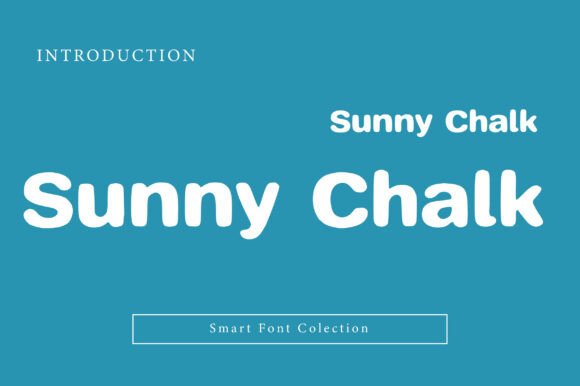
There I was, staring at a blank brand board, trying to find the right visual voice for a new artisanal café concept. The client wanted something warm, approachable, and a little whimsical—something that felt like a handwritten note from a friend. That’s when I reached for Sunny Chalk. A robust and cheerful display typeface that perfectly marries the tactile texture of classic chalk lettering with the smooth, clean lines of modern digital design.
Sunny Chalk for Logo Design and Brand Identity
Sunny Chalk is a standout in logo design, especially for brands aiming for a playful yet professional vibe. I tested it on a logo draft for a boutique coffee shop, and it immediately brought a sense of warmth and authenticity. The slightly irregular edges and soft curves gave it a handcrafted feel, while the overall structure kept it legible and polished. It works well as a primary logo font, especially when paired with a simple sans serif for balance.
When I used it on a brand board, the font added a friendly energy that made the entire identity feel more inviting. It’s perfect for businesses that want to communicate a sense of creativity and approachability without sacrificing clarity.
Sunny Chalk for Packaging and Product Labels
I experimented with Sunny Chalk on a packaging mockup for a handmade soap line. The font’s texture and character made it feel like it had been written by hand, which aligned perfectly with the product’s artisanal nature. On a label, it stood out without overwhelming the design. The contrast between the rough edges and the clean lines made it visually engaging, especially when used in combination with a minimalist layout.
It also performed well in different sizes. Even at smaller scales, the font maintained its personality without becoming too busy or hard to read. This makes it a great choice for product labels, tags, and signage where both aesthetics and readability matter.
Sunny Chalk for Web Design and Social Media Graphics
On a website header, Sunny Chalk brought a refreshing change from the usual sans serifs. It worked particularly well as a headline font, adding a personal touch that felt unique. When used in a hero section, it caught the eye and created a strong visual anchor without being too loud.
For social media graphics, the font added a fun, informal tone that resonated well with younger audiences. I used it in an Instagram post for a local bakery, and it complemented the imagery perfectly. The font’s charm made the content feel more authentic and relatable.
Sunny Chalk for Business Cards and Print Materials
Testing Sunny Chalk on a business card revealed its versatility in print. The font’s texture gave it a tactile quality that felt more personal than a typical digital typeface. It looked great on both light and dark backgrounds, making it adaptable for different design needs.
One thing to note is that while it’s effective in larger sizes, it might not be ideal for small text. For body copy or dense information, a more readable font would be better. But as a headline or accent, it shines.
Sunny Chalk for Editorial and Commercial Design Assets
In editorial design, Sunny Chalk added a unique flair to a magazine spread about local artists. Its organic feel matched the theme perfectly, giving the layout a more personal and artistic tone. It worked well as a title font, drawing attention without distracting from the content.
For commercial design assets like posters and flyers, the font provided a fresh alternative to standard display fonts. It added a layer of creativity that could elevate a campaign, especially for events or promotions targeting a creative or youthful audience.
Sunny Chalk is best suited as a display font, a headline font, or an accent font. It’s not meant for long paragraphs or formal corporate use, but in the right context, it can make a brand feel more human and expressive. If you’re working on a project that benefits from a bit of personality and warmth, this font is worth considering.
Before using it in final client work, I recommend testing it across different mediums and sizes. Pay attention to how it looks in both digital and print formats, and consider how it interacts with other design elements. Pairing it with a complementary serif or sans serif can help balance its playful nature while maintaining a cohesive look.
As with any premium font, be sure to check the licensing terms before using it in commercial projects. Some fonts have restrictions on web use or resale, so it’s important to confirm that Sunny Chalk meets your specific needs.