Oxido: A Bold Typeface for Editorial Design
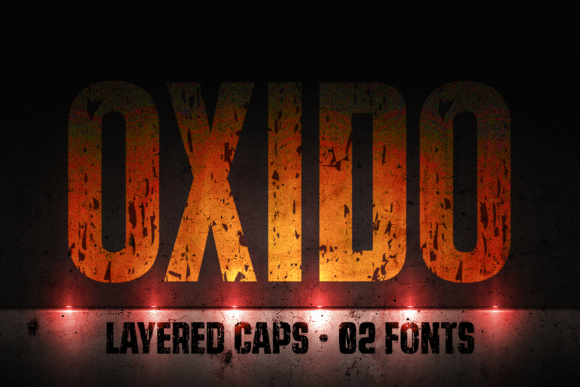
As I sat down to redesign the header for my lifestyle blog, I knew I needed a font that could command attention without overwhelming the reader. Oxido, with its rugged yet refined aesthetic, felt like the perfect fit. This display font, born from the idea of capturing time’s relentless imprint, brings a unique energy to any editorial layout.
Oxido for Magazine Covers and Branding Identity
Oxido is more than just a font—it’s a statement. Its rough textures and industrial undertones make it ideal for magazine covers, where visual impact is key. Whether you're designing a digital magazine or a print publication, Oxido adds a layer of depth that draws readers in. The font’s character feels authentic, as if it has weathered the elements itself. For branding, this typeface can serve as a strong visual anchor, reinforcing a brand’s identity with a sense of history and resilience.
When used in logo design or cover text, Oxido balances boldness with subtlety. It doesn’t shout, but it demands to be seen. This makes it especially effective for publications that want to stand out in a crowded space—whether it’s a weekly newsletter, a quarterly journal, or an online editorial feature.
Oxido for Pull Quotes and Editorial Highlights
In editorial layouts, pull quotes are often used to emphasize key ideas or create visual rhythm. Oxido excels in this role, offering a striking contrast against more neutral body fonts. Its uneven edges and organic feel add a tactile quality that complements written content. When paired with a clean serif or sans serif font, Oxido becomes a powerful tool for drawing attention to important messages.
For example, in a recipe ebook, using Oxido for a highlighted quote about “the joy of cooking” can create a warm, inviting mood. Similarly, in a wedding guide, a pull quote in Oxido might capture the essence of “timeless love” with a visual flair that resonates emotionally with readers.
Oxido for Newsletter Headers and Digital Layouts
Newsletters require a balance between readability and visual appeal. Oxido works well as a header font, providing a strong first impression while still being legible at smaller sizes. Its texture adds character without sacrificing clarity, making it suitable for email templates, social media graphics, or website banners.
When designing a newsletter, consider using Oxido for the subject line or main title. Its presence can help differentiate your content from others in a reader’s inbox. However, it’s best to avoid using it for long paragraphs or dense text, as its expressive style may reduce readability on screens or in print.
Oxido for Printables and Creative Projects
Printables, such as planners, worksheets, or printable guides, benefit from a font that feels personal and intentional. Oxido brings a handcrafted quality to these materials, making them feel more authentic and engaging. Whether it’s a daily planner, a coaching workbook, or a course PDF, Oxido can elevate the overall design without compromising usability.
For instance, a printable mindfulness journal might use Oxido for section headings to evoke a sense of calm and reflection. In a coaching workbook, it could be used for chapter openers to create a visually appealing structure that supports the content’s message.
Oxido for Web Design and Social Media Graphics
Web design and social media graphics often require fonts that are both eye-catching and versatile. Oxido fits this need by offering a strong visual presence that translates well across different platforms. Its textured appearance can add a unique touch to website headers, Instagram posts, or Facebook banners.
However, it’s important to test Oxido in different contexts. On mobile devices, the font’s details may appear less distinct, so it’s best used for larger text elements. For web typography, pair it with a simple sans serif for body copy to maintain readability while keeping the design cohesive.