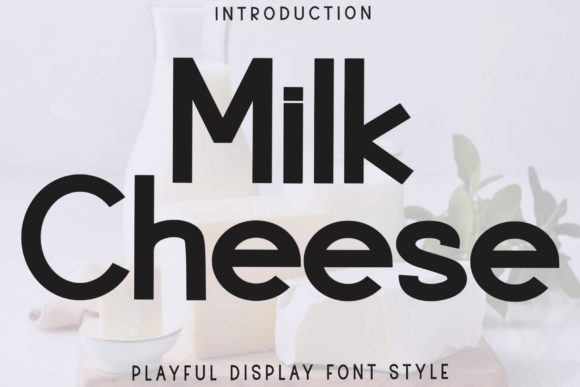
Milk Cheese Font: Festive Typography for Designers
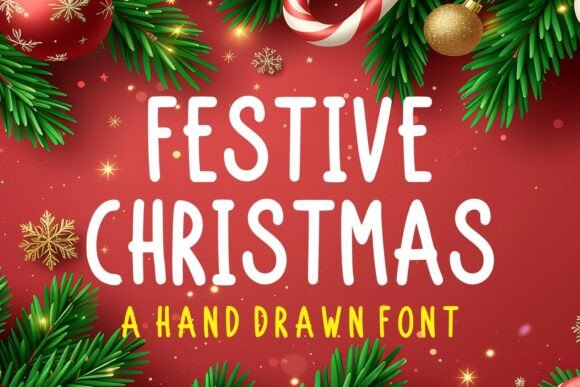
As I sat down to redesign the header for my seasonal lifestyle blog, I knew I needed a font that felt both joyful and professional. Milk Cheese, with its whimsical curves and holiday cheer, immediately caught my eye. It’s a display font that feels like a warm hug on the page—perfect for adding personality without overwhelming the reader.
When I first tested Milk Cheese, I was struck by how it balances playfulness with clarity. The letterforms are decorated with subtle flourishes and festive details, yet they remain legible even at smaller sizes. This makes it ideal for titles, headers, and decorative accents in editorial projects where visual appeal matters as much as readability.
Milk Cheese for Wedding Invitations and Elegant Branding
For a client who wanted a wedding guide with a vintage, celebratory vibe, Milk Cheese became the perfect choice. Its ornate details and soft curves gave the project a sense of refinement while maintaining a friendly, approachable tone. Whether used for section headings or pull quotes, it added a touch of sophistication that aligned with the couple’s aesthetic.
In branding, Milk Cheese works well for logos, stationery, and social media graphics. Its festive energy is especially effective when paired with a clean sans serif for body text, creating a contrast that highlights the display font’s charm without sacrificing legibility.
Milk Cheese for Recipe Ebooks and Seasonal Content
I recently designed a holiday recipe ebook, and Milk Cheese helped set the tone from the very first page. Its cheerful character made the title feel inviting, while its decorative elements echoed the warmth of the recipes inside. For content that leans into tradition and celebration, this font brings a sense of nostalgia and joy.
Pairing Milk Cheese with a classic serif font like Georgia or Garamond created a balanced look that worked well for both headings and body text. The contrast between the two fonts enhanced the overall hierarchy, making the ebook visually engaging without being distracting.
Using Milk Cheese in Digital Magazines and Newsletter Headers
When I updated the header for my weekly newsletter, I chose Milk Cheese to give it a more personal, handcrafted feel. The font’s playful nature made the email feel less formal and more like a gift from a friend. It worked especially well for the subject line, where a bit of flair can catch the reader’s attention.
In digital magazines, Milk Cheese can be used for cover text, chapter openers, and section dividers. Its decorative style adds a layer of visual interest that complements editorial layouts, especially those focused on holidays, events, or lifestyle topics.
Milk Cheese for Coaching Workbooks and Printable Guides
A client asked me to design a printable planner for a wellness coaching business, and Milk Cheese was the perfect fit. Its elegant yet fun style matched the brand’s mission of helping people feel empowered and inspired. The font’s versatility allowed it to work in both headings and decorative accents, making the planner feel cohesive and intentional.
For printables, it’s important to ensure that the font remains readable at various sizes. Milk Cheese holds up well in larger formats, making it suitable for posters, worksheets, and educational materials. Its festive energy also helps create a positive emotional response in users, which is key for engagement.
Milk Cheese for Social Media Graphics and Web Design
When designing social media posts for a seasonal campaign, I used Milk Cheese to add a unique visual identity. Its bold, decorative style stood out in feed posts and stories, helping the brand feel more memorable. It worked particularly well for captions, banners, and promotional graphics where a bit of flair is desired.
In web design, Milk Cheese can be used for hero sections, call-to-action buttons, and feature headlines. However, it’s best reserved for short text elements rather than long paragraphs. For body copy, pairing it with a modern sans serif ensures that the overall design remains accessible and easy to read.
Considerations for Readability and Font Pairing
While Milk Cheese is a beautiful display font, it’s not ideal for extended reading. Its decorative elements can make it harder to scan, especially on screens or in print. That’s why it’s best used for titles, headings, and short phrases where its visual impact is most effective.
When working with Milk Cheese, consider the context of the design. For example, using it in a cookbook title gives it a special place, but using it for recipe instructions would be impractical. Always test the font at different sizes and on various devices to ensure it maintains its charm without compromising usability.
Font pairing is another key consideration. A strong contrast between Milk Cheese and a more neutral typeface creates a balanced design. For instance, pairing it with a serif font for body text or a sans serif for captions can help maintain clarity while still allowing the display font to shine.
Milk Cheese for Editorial Layouts and Content Branding
During a recent editorial project, I used Milk Cheese to create a holiday-themed feature page. Its festive energy complemented the content perfectly, giving the layout a cohesive and inviting feel. It worked especially well for pull quotes and section headings, where its visual presence could draw the reader’s eye without disrupting the flow of the text.
For content branding, Milk Cheese offers a way to differentiate a publication or product from others in the same niche. Its unique style helps establish a distinct identity, making it easier for audiences to recognize and remember the brand.
Before finalizing any design, I always check the font’s available styles, ligatures, and multilingual support. These features ensure that the font can be used effectively across different platforms and languages, which is essential for global or multi-platform projects.