Mikado Bold: A Bold Font for Creative Design
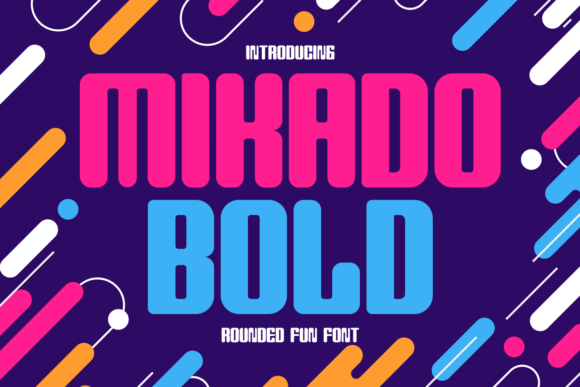
As I sat down to redesign the header for my lifestyle blog, I found myself drawn to a font that could capture attention without overwhelming the reader. Mikado Bold was the answer. This dynamic and modern rounded display font packs a visual punch with every character, making it ideal for editorial projects where boldness meets elegance. Its playful geometric structure adds a sense of movement and energy, perfect for content that needs to stand out.
Choosing the right font can be a subtle but powerful act in design. Mikado Bold isn’t just about looking good—it’s about creating a tone, a mood, and a visual identity that resonates with your audience. Whether you're working on a recipe ebook, a wedding guide, or a digital magazine layout, this font brings a unique personality to every project.
Mikado Bold for Wedding Invitations and Elegant Branding
When I first considered using Mikado Bold for a wedding guide, I wasn’t sure if its boldness would work in such a refined setting. But what I discovered was that the font’s rounded edges and strong strokes create a balance between playfulness and sophistication. It’s perfect for titles, headings, and decorative elements that need to feel both modern and timeless.
In branding, Mikado Bold can help define a brand’s voice. For a boutique wedding planner, the font’s presence on invitations, signage, and promotional materials adds a touch of personality without being too loud. It works well when paired with a clean serif font for body text, ensuring readability while maintaining visual interest.
Pairing Mikado Bold with Serif and Sans Serif Fonts
One of the key strengths of Mikado Bold is how well it pairs with other typefaces. For a printable planner, I used it as the main heading and paired it with a classic serif font for the daily notes section. The contrast between the bold display font and the traditional serif created a clear visual hierarchy, guiding the reader through the content with ease.
For a coaching workbook, I experimented with a sans serif font for captions and instructions. The combination gave the document a professional yet approachable feel. Mikado Bold added a sense of confidence to the title pages, while the sans serif ensured that the smaller text remained legible across different formats.
Mikado Bold for Digital Magazines and Ebooks
Working on a digital magazine layout, I quickly realized that Mikado Bold could elevate the overall aesthetic. Its thick strokes and rounded shapes make it highly readable on screens, even at smaller sizes. When used for article titles or pull quotes, it draws the eye and sets the tone for the content that follows.
For an ebook focused on healthy living, I used Mikado Bold for the cover and chapter openers. The font’s boldness helped convey the message of strength and vitality, while its rounded edges softened the impact, making it feel more inviting than aggressive. It’s a great choice for any publication that wants to feel both modern and accessible.
Readability and Visual Hierarchy in Print and Online
One of the concerns with bold display fonts is their suitability for long-form reading. Mikado Bold, however, strikes a balance. While it’s not ideal for body text, it shines in headings, subheadings, and decorative accents. In print materials like a recipe cookbook or a wedding guide, it adds a visual anchor that helps readers navigate the content.
On mobile devices and web pages, Mikado Bold maintains its clarity and impact. When used for headlines or callout boxes, it ensures that important information stands out. For PDF exports, the font’s clean design prevents any issues with rendering, making it a reliable choice for digital downloads.
Mikado Bold for Newsletter Headers and Social Media Graphics
As a newsletter writer, I often look for fonts that can grab attention while still feeling professional. Mikado Bold fits perfectly into this role. Used for the header of a weekly digest, it adds a sense of excitement and anticipation, encouraging readers to open the email and engage with the content.
For social media graphics, the font’s bold and rounded style makes it highly visible. Whether used for Instagram posts, Facebook banners, or Twitter headers, Mikado Bold adds a modern edge that aligns with current design trends. It’s especially effective when paired with minimalistic backgrounds, allowing the font to take center stage.
Considering Commercial Licensing and File Formats
Before finalizing any project, it’s important to check the licensing details of Mikado Bold. As a commercial font, it allows for use in a wide range of publications, including ebooks, templates, and paid newsletters. However, it’s always wise to review the terms to ensure compliance, especially when working with clients or selling digital products.
The font also comes in multiple file formats, making it easy to integrate into different design workflows. Whether you’re using it in Adobe Illustrator, InDesign, or online platforms, the versatility of Mikado Bold ensures that it can adapt to your creative needs.
Mikado Bold for Editorial Layouts and Content Branding
When designing an editorial feature page for a lifestyle blog, I found that Mikado Bold helped establish a cohesive brand identity. Its consistent stroke weight and geometric structure provided a sense of order, while its playful nature kept the design from feeling too rigid.
For a printable guide on productivity, I used Mikado Bold for the title and section headers. The font’s boldness made the content feel more structured and purposeful, while its rounded edges gave it a friendly, approachable feel. It’s a great example of how a single font can shape the entire visual language of a project.
Exploring Alternates and Ligatures for Customization
One of the hidden gems of Mikado Bold is its set of alternates and ligatures. These features allow for greater customization, enabling designers to add a personal touch to their work. Whether it’s adjusting the curve of a letter or using a special glyph, these options give more control over the final look of the design.
For a course PDF or a downloadable worksheet, these details can make a big difference. They help differentiate the content from generic templates, giving it a more polished and professional appearance.