Journal Handwriting Font
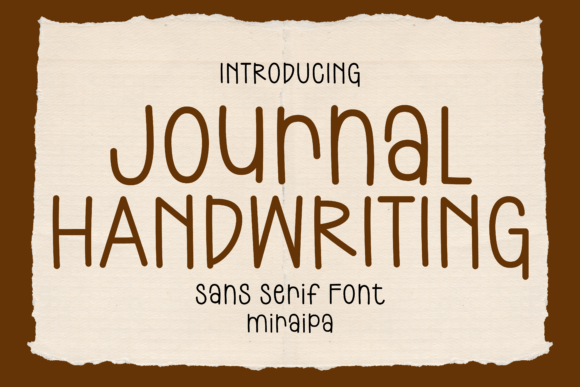
Journal Handwriting is a delightfully casual and rounded sans-serif display font that perfectly mimics the look of clear, friendly penmanship found in a personal notebook. This charming Journal Handwri font brings warmth and personality to any editorial project, making it ideal for designers, bloggers, and content creators who want to add a handwritten touch to their work. As a Display font, it excels in headlines, cover designs, and visual accents where a humanized aesthetic is desired.
Journal Handwriting for Blog Headers and Magazine Covers
Journal Handwriting is a perfect choice for blog headers and magazine covers that aim to convey approachability and authenticity. Its soft curves and gentle strokes create a sense of intimacy, making it ideal for lifestyle blogs, wellness sites, or creative publications. When used as a heading, it draws attention without overwhelming the reader, balancing readability with visual charm. For magazine covers, this font can be paired with bold imagery or minimal layouts to create a striking first impression that reflects the publication’s tone.
Designers often use Journal Handwriting to set a warm, inviting mood. Whether it's a weekly newsletter, a seasonal feature, or a themed article, this font adds a personal touch that resonates with readers. Its versatility allows it to work well with both modern and traditional design styles, making it a valuable addition to any font library.
Journal Handwriting for Ebook Titles and Printables
For ebook titles and printable materials, Journal Handwriting offers a unique way to stand out. It works exceptionally well for recipe books, self-help guides, and printable planners, where a friendly and accessible appearance is essential. The font’s rounded edges and consistent stroke weights make it easy to read at larger sizes, ensuring that titles and headings remain legible on screens and in print.
When designing a printable worksheet or a downloadable guide, using Journal Handwriting can help reinforce the brand’s identity while maintaining a professional yet approachable feel. It’s also great for creating lead magnets or digital downloads that require a personalized touch, such as daily affirmations, journal prompts, or guided meditation scripts.
Journal Handwriting for Quote Graphics and Pull Quotes
Journal Handwriting shines when used in quote graphics and pull quotes, where its natural, handcrafted look enhances the emotional impact of the text. Whether it's a motivational quote, a famous saying, or an excerpt from an article, this font adds a layer of authenticity that printed fonts often lack. Its subtle imperfections mimic real handwriting, making it ideal for social media posts, blog sidebars, or email campaigns that aim to connect with the audience on a more personal level.
When incorporating Journal Handwriting into quote graphics, it’s best to pair it with a clean, readable body font. A serif font like Georgia or a sans-serif like Open Sans can provide contrast while keeping the overall design balanced. This combination ensures that the quote remains visually engaging without sacrificing clarity.
Journal Handwriting for Content Branding and Publication Identity
For content creators looking to build a strong brand identity, Journal Handwriting can serve as a signature typeface that unifies different elements of their work. It’s particularly effective for newsletters, digital magazines, and online courses that rely on consistent visual language to establish trust and recognition. By using this font across multiple platforms—such as website headers, email templates, and social media banners—it helps create a cohesive and memorable brand presence.
When used in branding, it’s important to consider how the font will appear in different formats. Testing it on web pages, PDFs, and mobile screens ensures that it maintains its charm and readability across all mediums. Additionally, checking for multilingual support can be crucial for global audiences or content that spans multiple languages.
Journal Handwriting for Editorial Design and Visual Hierarchy
In editorial design, Journal Handwriting can play a key role in establishing visual hierarchy and guiding the reader’s eye through the content. It works best as a headline or subheading, where its distinct shape and character can draw attention without competing with the main body text. When used in section headings or chapter openers, it adds a sense of rhythm and flow that enhances the reading experience.
Its rounded form also makes it suitable for accent typography, such as callout boxes, footnotes, or decorative elements that need to stand out without being distracting. In a digital magazine or online article, this font can be used to highlight key points, introduce new sections, or break up dense blocks of text, making the content more digestible and visually engaging.
Journal Handwriting for Coaching Workbooks and Digital Guides
Coaching workbooks and digital guides benefit greatly from the personal, handwritten feel of Journal Handwriting. It’s ideal for worksheets, journaling prompts, and interactive exercises that aim to foster connection and reflection. The font’s friendly appearance encourages users to engage with the material in a more relaxed and open manner, which is especially important in mental health, productivity, or creative development resources.
When designing these materials, it’s important to maintain a balance between the font’s uniqueness and the overall layout’s clarity. Using it sparingly in headings and captions, while reserving more structured fonts for body text, ensures that the content remains easy to follow and visually organized.
Journal Handwriting for Social Media Graphics and Web Design
Journal Handwriting is a versatile choice for social media graphics and web design, where a humanized aesthetic can make a significant difference. It’s commonly used in Instagram posts, Facebook banners, and Pinterest pins to create a more authentic and relatable brand image. Its clean, rounded style works well with both dark and light backgrounds, making it adaptable to various design themes.
On websites, it can be used for hero sections, call-to-action buttons, or navigation labels to add a touch of personality. However, it’s important to limit its use to short phrases or headlines, as longer blocks of text may reduce readability. Pairing it with a more neutral font for body copy ensures that the site remains functional and visually appealing.
Journal Handwriting for Commercial Use and Licensing
For commercial projects, including ebooks, templates, printables, and paid newsletters, it’s essential to verify the licensing terms of Journal Handwriting. Most premium fonts come with specific usage rights that dictate how they can be applied in different contexts. Understanding these terms ensures that the font is used legally and appropriately, avoiding potential copyright issues.
When purchasing Journal Handwriting, check if the license includes permission for commercial use, redistribution, or modification. Some fonts may require additional licenses for large-scale distribution or integration into software applications. Always review the vendor’s documentation to ensure compliance and avoid any unexpected restrictions.