Cute Dream Font for Creative Branding
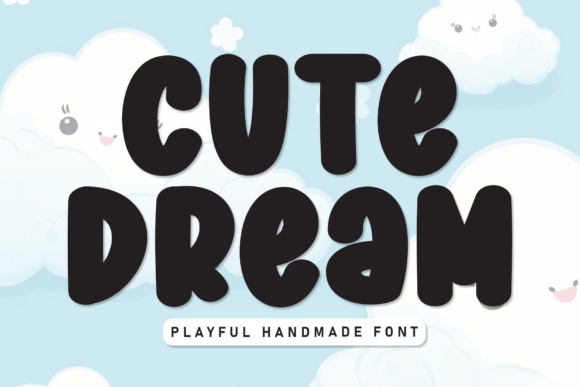
Working on a branding project for a new boutique that sells handmade soaps and skincare products, I found myself scrolling through my font library looking for something that felt both playful and professional. That’s when I landed on Cute Dream. Its extra-bold, smoothly rounded letterforms immediately caught my eye—like a soft, bubble-like shape that radiates fun and approachability. As a display font, it has a unique personality that makes it stand out in a sea of more rigid typefaces.
Cute Dream for Logo Design and Brand Identity
When I first tested Cute Dream on a logo draft for the boutique, it felt like the perfect match. The font’s chunky, playful style gave the brand a sense of warmth and creativity that aligned with the product’s handmade nature. I used it for the main logo, paired it with a clean sans serif for the tagline, and it created a balanced visual hierarchy. The rounded edges of the letters made the brand feel welcoming, while the bold weight ensured it remained legible at different sizes.
One thing I noticed was how Cute Dream handled different scales. At larger sizes, like on a shop sign or website header, it had a strong presence without being overwhelming. But when scaled down for a business card or label sticker, it still maintained its charm and clarity. It wasn’t just about aesthetics—it was about creating a consistent brand voice that felt authentic to the business.
Cute Dream for Packaging and Product Labels
For the product labels, I experimented with using Cute Dream as the primary text. The soft, rounded shapes worked well with the organic, natural theme of the products. I paired it with a subtle background texture to add depth without competing with the font. On a small label, it still held up, and the extra-bold weight gave it a premium look that felt special.
I also tried using it on a packaging mockup for a gift box. The font’s bubbly appearance added a whimsical touch that made the product feel more personal. It wasn’t too flashy, but it had enough character to make the brand memorable. For a small business looking to stand out, this kind of visual uniqueness can make a big difference.
Cute Dream for Social Media Graphics and Web Headers
When designing social media posts for the boutique, I used Cute Dream as the headline font. It worked especially well on Instagram carousels and promotional banners. The font’s boldness made it easy to read from a distance, and the rounded shapes added a friendly vibe that matched the brand’s tone. I paired it with a simple background color and some subtle shadows to give it a bit of dimension without overcomplicating the design.
On the website, I used it for the hero section and featured product titles. The font’s chunky style made it ideal for short-form text where impact matters. It didn’t feel too casual, which was important for maintaining a professional image. At the same time, it brought a sense of playfulness that helped the brand feel more relatable.
Cute Dream for Editorial Design and Print Materials
For an editorial-style brochure, I used Cute Dream as the main title font. It stood out against the clean, minimalist layout and added a touch of personality that the brand needed. I paired it with a serif font for body text to create contrast and improve readability. The combination felt modern yet approachable, which was exactly what the client wanted.
I also tested it on a flyer for a local event. The font’s soft appearance made it feel inviting, and its bold weight ensured it was visible from a distance. Whether it was on a printed poster or a digital ad, Cute Dream consistently delivered a friendly, engaging look that fit the brand’s identity.
Cute Dream for Font Pairing and Design Flexibility
One of the things I appreciated most about Cute Dream was its versatility. While it’s a display font, it can also work as an accent or supporting typeface when paired correctly. I experimented with pairing it with a modern sans serif for a clean, contemporary look, and with a script font for a more elegant, handwritten feel. Each combination brought out a different side of the brand’s personality.
It’s also worth noting that Cute Dream includes a range of weights and styles, which is helpful when working on a full brand system. I checked the included alternates and ligatures to see if they could be used for custom designs. They added a level of polish that made the typography feel more refined, even when used in small amounts.
Cute Dream for Commercial Use and Licensing
As a designer, one of the first things I check when using a new font is the licensing. Cute Dream is available in multiple file formats, which is essential for commercial projects. I made sure to review the terms to confirm that it could be used across different platforms, including print, web, and digital assets. The licensing was clear and straightforward, which gave me confidence in using it for the boutique’s branding materials.
For clients who are new to typography, explaining the importance of proper licensing is always part of the process. With Cute Dream, the terms were easy to understand, and the font’s availability for commercial use made it a practical choice for the project.