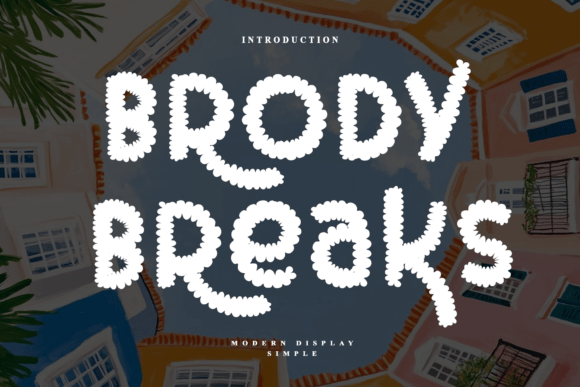
Breaks Pumpkin Font
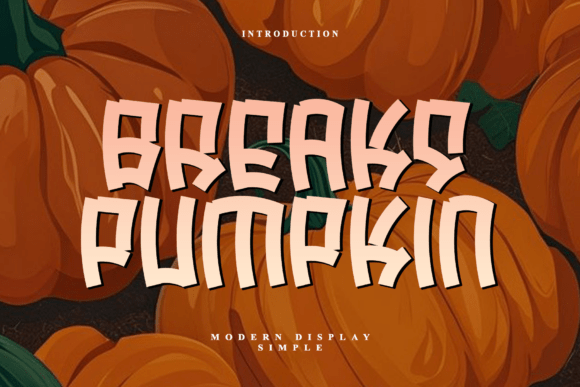
Choosing the right font for a project can feel like selecting the perfect piece of jewelry to complement an outfit—subtle, but essential. When I was redesigning the header for a lifestyle blog focused on creative living and wellness, I found myself drawn to Breaks Pumpkin. This bold, modern display font with an edgy, chunky, and slightly aggressive feel offered a visual punch that matched the tone of the content while maintaining a sense of refinement.
Breaks Pumpkin for Blog Headers and Editorial Branding
Breaks Pumpkin is ideal for blog headers and editorial branding where a strong, memorable presence is needed. Its blocky shapes and geometric construction make it stand out without being overwhelming. In a recent project, I used Breaks Pumpkin for the main title of a weekly digest newsletter, pairing it with a clean sans serif for the body text. The contrast created a dynamic yet readable layout that felt both professional and approachable.
The font’s personality adds a layer of energy to any design, making it particularly effective for content that aims to engage readers with a fresh, modern aesthetic. Whether it's a digital magazine or a printable planner, Breaks Pumpkin brings a sense of authority and creativity to the forefront.
Breaks Pumpkin in Recipe Ebooks and Printable Guides
For a recipe ebook I was working on, Breaks Pumpkin proved to be a game-changer. The font’s boldness made it perfect for chapter titles and section headings, offering a clear visual hierarchy that guided readers through the content. Its chunky forms gave each page a playful yet polished look, which aligned well with the brand’s identity as a fun and accessible cooking resource.
I also tested it for a printable planner, where its striking appearance helped differentiate key sections like daily goals and weekly reflections. While it’s not suited for long paragraphs, its use in short, impactful phrases enhanced the overall readability and visual appeal of the guide.
Breaks Pumpkin for Digital Magazines and Newsletter Graphics
When designing a digital magazine focused on contemporary art and culture, I turned to Breaks Pumpkin for the cover title. Its aggressive, geometric style added a sense of urgency and excitement, drawing readers in immediately. The font’s ability to command attention made it an excellent choice for headlines and pull quotes, where clarity and impact are crucial.
In newsletter graphics, Breaks Pumpkin worked well for eye-catching subheadings and callout boxes. Its bold nature ensured that important messages stood out without competing with the rest of the content. However, I found that using it too frequently could dilute its effectiveness, so I limited its use to key areas where it could have the most visual impact.
Breaks Pumpkin for Wedding Guides and Creative Workbooks
A wedding guide I was editing required a font that could convey both elegance and personality. Breaks Pumpkin fit the bill perfectly, offering a modern twist on traditional typography. Its chunky forms and sharp edges gave the guide a distinctive look that felt fresh and contemporary, while still maintaining a level of sophistication appropriate for the subject matter.
For a coaching workbook, I used Breaks Pumpkin for section titles and motivational quotes. The font’s assertive style helped reinforce the message of empowerment and self-improvement, creating a cohesive visual language that resonated with the target audience. It worked especially well when paired with a softer serif font for the body text, balancing strength with readability.
Breaks Pumpkin for Content Branding and Web Design
When building a new website for a creative agency, I experimented with Breaks Pumpkin for the main navigation and hero section. The font’s boldness and geometric structure gave the site a modern, professional look that aligned with the brand’s identity. It served as an effective visual anchor, helping to establish a strong first impression for visitors.
However, I quickly realized that Breaks Pumpkin isn’t ideal for all web elements. Smaller text, such as captions or footnotes, became difficult to read, and its aggressive style didn’t pair well with more subtle design elements. For these cases, I opted for a simpler sans serif font to maintain consistency and clarity across the site.