Anoting: A Sweet Display Font
As I sat down to redesign the header of my lifestyle blog, the familiar challenge of finding the right font for a warm, inviting tone came back. The goal was to create a visual identity that felt personal and approachable, something that could draw readers in without overwhelming them. That’s when I turned to Anoting—a handwritten display font with a gentle, flowing rhythm that seemed to whisper, “You’re welcome here.”
Anoting for Lifestyle Blog Headers and Editorial Branding
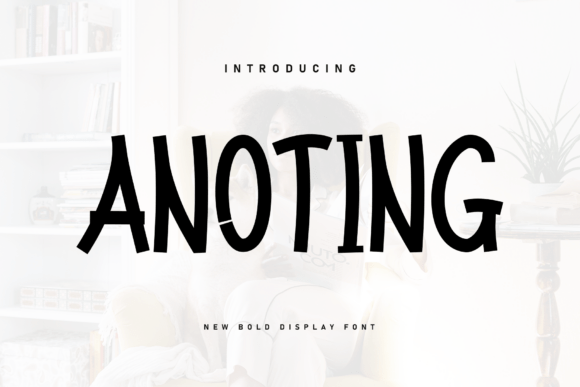
Anoting is a sweet and beautiful handwritten display font that carries an air of quiet confidence. Its characters dance along the baseline, creating a sense of movement that feels both natural and deliberate. For a lifestyle blog, this font offers a way to establish a unique editorial mood without sacrificing clarity. It works especially well for headers, subheaders, or section titles where a touch of personality can enhance the reader’s experience.
When used in a blog header, Anoting adds a soft, handwritten charm that feels like a personal invitation. It pairs beautifully with clean, modern typography for body text, allowing the font to shine as a highlight rather than a distraction. This balance makes it ideal for content creators who want to maintain a professional yet cozy aesthetic across their digital presence.
Anoting for Recipe Ebooks and Cozy Content Layouts
One of the most rewarding uses of Anoting has been in a recipe ebook I designed for a small food blog. The font’s delicate curves and playful flourishes gave each title a sense of warmth that matched the comfort of the recipes themselves. Whether it was a “Morning Muffin Magic” or a “Weeknight Pasta Special,” Anoting helped set the tone for a reading experience that felt like a visit from a friend.
The font’s readability on screen and in print is impressive, even at smaller sizes. It maintains its character without becoming too ornate, making it a reliable choice for titles, captions, and short-form content. However, it’s best avoided for long paragraphs of body text, where its expressive style might interfere with the flow of information.
Anoting for Wedding Guides and Elegant Design Projects
In a recent wedding guide project, Anoting proved to be a perfect fit for the overall design language. Its graceful, flowing strokes added a touch of sophistication that complemented the event’s theme. Whether used for section headings, pull quotes, or decorative accents, the font brought a sense of refinement without feeling overly formal.
For wedding guides, which often blend practical information with emotional storytelling, Anoting provides a visual bridge between the two. It allows designers to create layouts that feel intimate and authentic, while still maintaining a polished look. This makes it a strong choice for any publication that values both aesthetics and functionality.
Anoting for Coaching Workbooks and Printable Planners
As a creator of printable planners and coaching workbooks, I’ve found that Anoting adds a human touch that resonates with users. Its handwritten quality gives the impression of being crafted by hand, which is particularly appealing for self-care or journaling materials. In a planner layout, it works well for daily affirmations, goal-setting sections, or motivational quotes.
However, it’s important to consider how the font will appear in different formats. When exported to PDF or printed, Anoting retains its charm, but it’s wise to test it at various sizes to ensure legibility. For larger text, such as chapter titles or section headers, it shines, but for small details like footnotes or captions, a more traditional typeface may be preferable.
Anoting for Digital Magazines and Newsletter Graphics
Using Anoting in a digital magazine layout was a revelation. Its soft, rhythmic flow made it ideal for pull quotes and featured stories, where a little visual flair can make a big difference. It helped create a cohesive design language that felt both modern and nostalgic, appealing to a broad audience.
For newsletter graphics, the font adds a personal touch that can help build a stronger connection with readers. Whether it’s a header for a new issue or a decorative accent in a sidebar, Anoting brings a sense of warmth and creativity that stands out in a sea of more rigid, industrial fonts.
When pairing Anoting with other fonts, it’s best to keep it simple. A readable serif or sans serif font for body text ensures that the design remains balanced and easy to navigate. This combination allows the display font to take center stage where it matters most—on headlines, banners, and key visual elements.
Before using Anoting in any project, it’s essential to check the font’s available styles, ligatures, and multilingual support. These details can make a significant difference in how the font performs across different platforms and languages. Additionally, understanding the licensing terms is crucial, especially if the font will be used in commercial projects or distributed as part of a downloadable product.
Anoting is more than just a pretty font—it’s a tool that can shape the mood and identity of a publication. Whether you’re designing a blog header, a recipe ebook, a wedding guide, or a coaching workbook, this font offers a way to infuse your work with a sense of warmth and personality. Its gentle, flowing style invites readers in, making it a valuable addition to any designer’s toolkit.